What’s really causing Knee Pain After 40?
Posted on August 17th, 2026 by Andries Lodder
by Jana van Jaarsveld
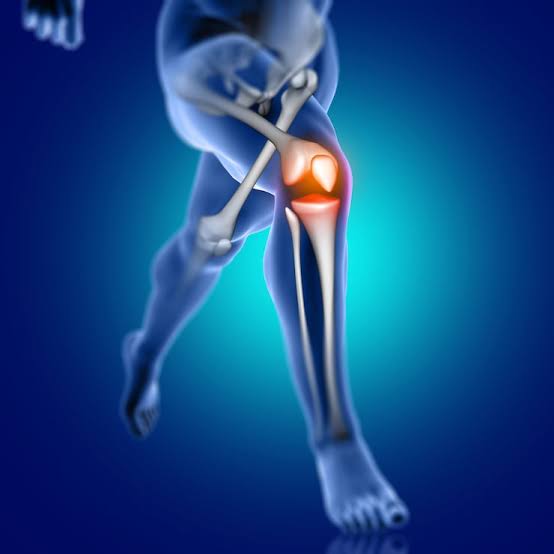
Knee pain after 40 is something many people start to notice, whether it’s stiffness when getting up, discomfort during a walk, or pain when climbing stairs.
The first thought is often:
“It must be arthritis.”
But here’s the truth:
👉 It’s not always arthritis.
👉 And even when it is, that’s not the full story.
Why Knee Pain Becomes More Common After 40?
As we age, our bodies naturally go through changes:
- We lose muscle mass and strength
- Our joints experience wear and tear
- We often become less active (even without realising it)
- Old injuries may start to resurface
All of these factors can contribute to knee pain, but they don’t all mean the same thing.
Understanding Arthritis
Arthritis (specifically osteoarthritis) is a condition where the cartilage in the knee joint gradually wears down.
Common signs include:
- Stiffness, especially in the morning
- Pain during or after activity
- Swelling around the knee
- A grinding or clicking sensation
It’s important to know that arthritis develops slowly over time and is a normal part of ageing to some degree.
But here’s the key point:
👉 Not all knee pain equals severe arthritis.
The Overlooked Cause: Muscle Weakness
In many cases, knee pain is actually driven by something much more manageable:
👉 Weak muscles around the knee and hips
Your knee doesn’t work alone, it relies on support from:
- Quadriceps (front thigh)
- Hamstrings (back thigh)
- Glutes (hip muscles)
- Calf muscles
When these muscles are weak:
- The knee takes on more load than it should
- Movement becomes less controlled
- Joint stress increases
This can lead to pain, even if the joint itself is relatively healthy.
It’s Usually Not One or the Other
Most people don’t fall into just one category.
Instead, knee pain after 40 is often a combination of:
- Mild joint wear (early arthritis)
- Muscle weakness
- Reduced mobility
- Lifestyle factors (like sitting more or sudden increases in activity)
👉 This is actually good news, because muscle and movement can be improved.
How Do You Know What’s Causing Your Pain?
While a proper assessment is always best, here are some general guidelines:
It may be more arthritis-related if:
- Your knee feels stiff in the morning
- Pain improves slightly as you move
- There is noticeable swelling
- You feel grinding in the joint
It may be more muscle-related if:
- Pain happens during specific movements (like stairs or squats)
- Your knee feels weak or unstable
- It improves after warming up
- There’s little to no swelling
👉 In reality, many people experience a mix of both.
The Good News, You Can Do Something About It
One of the biggest misconceptions is that knee pain means you should rest and avoid movement.
In most cases, the opposite is true.
The right kind of movement can:
- Reduce pain
- Improve strength
- Support the joint
- Restore confidence in movement
What Actually Helps?
As a biokineticist, the focus is not just on the knee, but on the whole movement system.
- Strength Training: Building strength in the quadriceps, glutes, and hamstrings helps offload the knee.
- Stability & Control: Improving balance and single-leg control reduces unnecessary strain.
- Mobility: Addressing stiffness in the hips and ankles improves knee alignment.
- Gradual Loading: The knee responds well to progressive, controlled load, not complete rest.
When Should You Seek Help?
It’s important to get professional guidance if you experience:
- Persistent swelling
- Sharp or worsening pain
- Locking or catching of the knee
- A feeling that the knee is “giving way”
Final Thoughts
Knee pain after 40 is common, but it’s not something you just have to live with.
👉 It’s not only about “wear and tear”
👉 It’s often about strength, movement, and support
And most importantly:
Your body is adaptable.
Your strength can improve.
Your pain can change.
Tweet