Hacklink panel

Hacklink panel

Backlink paketleri

Hacklink

Hacklink

Hacklink

Hacklink

Hacklink panel

Hacklink panel

Hacklink panel

Hacklink panel

Hacklink panel

Hacklink panel

Hacklink panel

Hacklink panel

Hacklink panel

Hacklink panel

Hacklink panel

Hacklink panel

Hacklink panel

Hacklink panel

Hacklink panel

Hacklink satın al

Hacklink satın al

Hacklink panel

Hacklink panel

Hacklink panel

Hacklink panel

Hacklink panel

Hacklink panel

Hacklink panel

Hacklink panel

Hacklink panel

Hacklink panel

Hacklink panel

Hacklink panel

Hacklink panel

Hacklink panel

Hacklink panel

Hacklink panel

Hacklink panel

Hacklink panel

Hacklink panel

Hacklink panel

Illuminati

Hacklink

Hacklink Panel

Hacklink

Hacklink Panel

Masal oku

Hacklink Panel

Hacklink Panel

Hacklink panel

Masal Oku

Hacklink

Hacklink panel

Hacklink panel

Hacklink panel

Hacklink Panel

Hacklink

Hacklink

Hacklink

Hacklink panel

Hacklink panel

Hacklink

Hacklink

Buy Hacklink

Hacklink

Hacklink

Hacklink satın al

Hacklink panel

Hacklink panel

Hacklink panel

Hacklink panel

Hacklink panel

Hacklink panel

Hacklink panel

Hacklink panel

Hacklink panel

Hacklink panel

Hacklink panel

Hacklink panel

Hacklink

Hacklink panel

Hacklink panel

Hacklink panel

Hacklink panel

Hacklink panel

Hacklink panel

Hacklink panel

Hacklink panel

Hacklink panel

Hacklink panel

Hacklink panel

Hacklink satın al

Hacklink Panel

Hacklink Panel

Hacklink Panel

Hacklink Panel

Hacklink Panel

Hacklink Panel

Hacklink Panel

Hacklink Panel

Hacklink Panel

Hacklink panel

tubidy mobi

tubidy mobi

sakarya escort

sakarya escort

Hacklink panel

Hacklink panel

Hacklink giriş

tubidy

tubidy

tubidy mobi

tubidy

Hacklink Panel

Proxy

fixbet

jojobet

giftcardmall/mygift

deneme bonusu veren siteler

queenbet

marsbahis

sekabet güncel giriş

jojobet

jojobet

queenbet

casibom

deneme bonusu veren bahis siteleri

deneme bonusu veren bahis siteleri

lt focus alan tarama

deneme bonusu veren siteler

deneme bonusu veren siteler

ultrabet

marsbahis

betpark

tipobet güncel giriş

https://rks-software.com/

https://m.tru.sugocafe.com

güvenilir bahis siteleri

marsbahis

Bahis Siteleri

Bahis Siteleri

jokercard ca

pusulabet

pusulabet

vdcasino giriş

giftcardmall/mygift

giftcardmall mygift

kavbet

holiganbet

jojobet

vaycasino

vdcasino

hacklink panel

casinoper

betsmove

pusulabet

ai bypass prompts

instagram banned method

stealer logs free

valorant hack 2026

Sahabet güncel giriş x

vdcasino giriş

vdcasino

inan dedektör

주소모음

Vdcasino giriş

Bahsegel giriş

marsbahis

protez saç

cenk pekkan site adresi

marsbahis giriş

Antalya Escort Bayan

unblocked games 76

unblocked games 76

unblocked games

tasarruf finansman

betpark giriş

betpark giriş

betpark

tubidy

deneme bonusu veren siteler

giftcardmall/mygift

casibom

betcool

betcool giriş

betcool

betcool

fixbet

extrabet

sakarya escort

çayırova araç kiralama

0850 numara

Deneme bonusu veren siteler

Deneme bonusu

Bahis siteleri

Güvenli bahis siteleri

www.giftcardmall.com/mygift

deneme bonusu veren siteler

deneme bonusu veren siteler

deneme bonusu veren siteler

deneme bonusu veren siteler

Vdcasino

marsbahis

1xbet

meritking giriş

meritbet

meritbet

meritking

meritking

Superbetin Güncel Giriş

turkbet giriş

turkbet giriş

betkom

mariobet

bets10

Deneme Bonusu 2026

jojobet

sekabet güncel giriş

superbetin

pusulabet

betasus

casibom

matbet

Andries Lodder biokineticist in Fourways
Bio4Me biokineticist practice in Fourways
Bio4Me best biokineticist in Fourways

Ripple Effect

Posted on March 4th, 2013 by Andries Lodder

ankle and knee

The foot and ankle joints are a very complex and interesting interaction of the ligaments which hold them together and the muscles which try to control them.

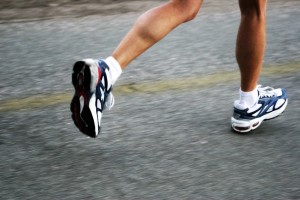
Chronic overuse injuries in the runner are an extremely common condition and sadly restriction of movement in the foot and ankle joints are often overlooked. In the average person these joint restrictions may seem unimportant and may cause only minor injuries and discomfort. But in the endurance athlete repetitive joint patho-mechanics on a ‘small’ area can have a profound ripple effect on the rest of the body and result in huge array of injuries.

These injuries range from nerve and vascular compression to an Achilles tendinosis. A quick example of this ripple effect is the common Iliotibial Band (ITB) Friction Syndrome.  It’s well known that a flat (pronated) foot will cause inward rotation of the lower leg and thigh, weak hip external rotators (your butt) and a tight ITB which rubs over the lateral femoral condyle and causes lateral knee pain.

Often there is joint fixation in the sub-talar joint (part of your ankle) of the foot for example and if this is not corrected these injuries take a long time to correct because the muscle you stretch and strengthen cannot unlock the affected joint.

These joint fixations are relatively easy to identify and correct through Chiropractic joint adjustments and can speed up recovery greatly!

By Dr Bradley Waterer, Chiropractor

For more information on Dr Waterer please visit: www.sandtonchiropractic.com

Posted in In Session • Comments Off on Ripple Effect

Iliotibial Band Friction Syndrome (ITBFS)

Posted on January 16th, 2013 by Andries Lodder

itb

Do you have pain at the outer side of the knee or thigh?

You could have ITB friction syndrome.

This condition is exacerbated by sporting activity and is commonly seen in runners, cyclists and endurance athletes.

What is the ITB?

The iliotibial band is a thickening of the fascia and connective tissue that envelops the whole thigh.  It extends from the gluteus maximus muscle and a muscle called the tensor fascia lata, down towards the femur, tibia and fibula bones i.e. around the outer side of the knee. Its function is to provide lateral (outer) stability between the knee and the hip.

What causes ITB friction syndrome?

If the muscles around the hip are tight, this can cause compression further down around the lateral femoral condyle, thus causing pain at the outer side of the knee. Altered biomechanics and muscle imbalances play a role in ITBFS. It often arises in runners and cyclists with weakness of their hip abductors and overworked hip adductors. These imbalances place compressive loads through the ITB, causing irritation and pain. The pain occurs at around the same time/distance during activity. Longer training sessions, downhill running and running on cambered courses often aggravate the symptoms. 

Treatment of ITB friction syndrome

One can use ice, anti-inflammatories and corticosteroid injections for acute pain. Physiotherapy is largely beneficial in the treatment of ITBFS. We use different modalities, including massage, myofascial release, dry needling, electrotherapy and various taping techniques to reduce muscle tension, tone and pain in the ITB. One can stretch the ITB, however studies have shown that the ITB has the strength of soft steel, thus merely stretching it is not very advantageous. What is more useful  is strengthening the hip abductors and external rotators (pelvic stabilizers) to address underlying weaknesses. Teaching one to self-massage over the foam roller is also helpful.

merryn manley 

If you have more queries about ITB pain give Merryn a call on 0836954794 or email her at info@physioatmerryn.co.za

Link to her Webpage: http://www.physioatmerryn.co.za/default.asp?CPH_ID=1952

Posted in In Session • Comments Off on Iliotibial Band Friction Syndrome (ITBFS)

The Right Expert

Posted on September 5th, 2012 by Andries Lodder


  Modern Athlete Magazine September Issue: Ask an Expert


  Question

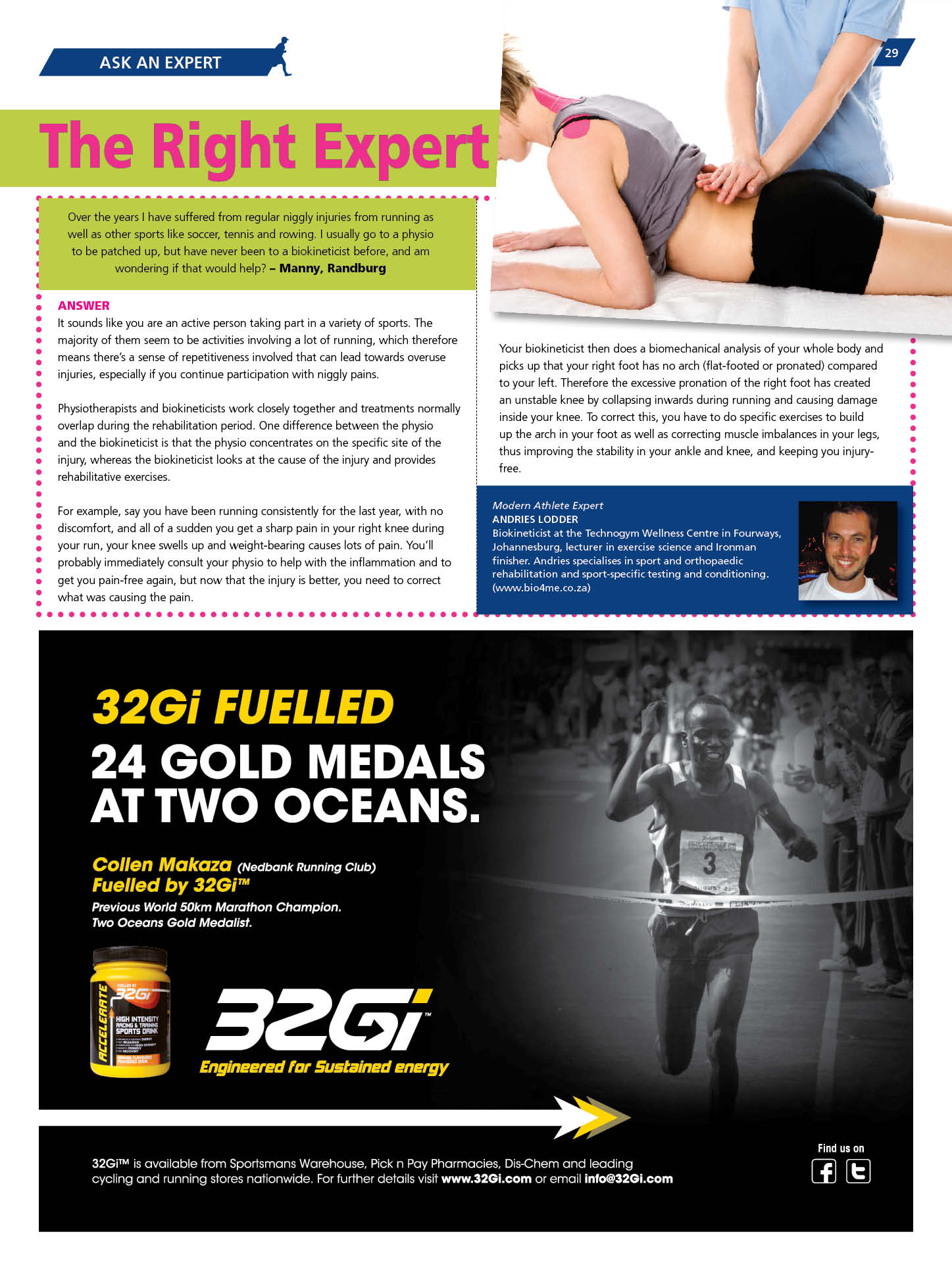
Over the years I have suffered from regular niggly injuries from running as well as other sports like soccer, tennis and rowing. I usually go to a Physio to be patched up, but have never been to a Biokineticist before, and am wondering if that would help? – Sue, Randburg

Answer

It seems like you are an active person taking part in a variety of sports. The majority of them seem to be activities involving a lot of running, therefore there’s a sense of repetitiveness involved with all of the above sports that can lead towards overuse injuries, especially if you continue participation with niggly pains. However there could be many reasons for injuring yourself, so going to a Physio first is always a good place to start your recovery process.

Physiotherapists and Biokineticists work closely together and treatments normally overlap during the rehabilitation period. One difference between the Physio and the Biokineticist is that the Physio concentrates on the specific site of the injury, where as the Biokineticist looks at the cause of the injury and provides rehabilitative exercises to correct it.

To clarify the issue further by use of an example, say you have been running consistently for the last year with no discomfort, and all of a sudden you get a sharp pain in your right knee during your run. Your knee swells up and weight bearing causes lots of pain, you would need to immediately consult your Physio to help with the swelling and inflammation and to get you pain free. Now that the injury is better, you need to correct what was causing the pain. Your Biokineticist does a biomechanical analysis of your whole body and picks up that your right foot has no arch (flat footed or pronated) compared to your left. Therefore the excessive pronation of the right foot has created an unstable knee by collapsing inwards during running and causing damage inside your knee. To correct this you have to do specific exercises to build up the arch in your foot as well as correcting muscle imbalances in your legs. Thus improving the stability in your ankle and knee and keeping you injury free.

www.modernathlete.co.za   

Posted in In Session • Comments Off on The Right Expert

Lance Armstrong’s Official Statement

Posted on August 27th, 2012 by Andries Lodder

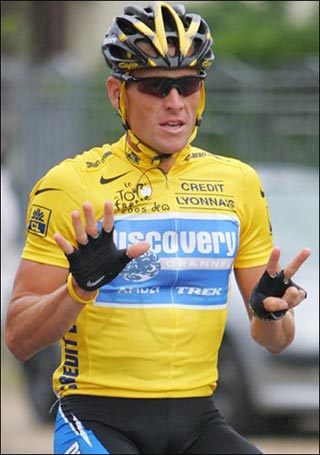
Lance Armstong’s Statement of August 23, 2012
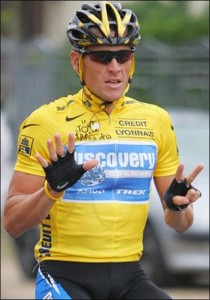


AUSTIN, Texas – August 23rd, 2012 – There comes a point in every man’s life when he has to say, “Enough is enough.” For me, that time is now. I have been dealing with claims that I cheated and had an unfair advantage in winning my seven Tours since 1999. Over the past three years, I have been subjected to a two-year federal criminal investigation followed by Travis Tygart’s unconstitutional witch hunt. The toll this has taken on my family, and my work for our foundation and on me leads me to where I am today – finished with this nonsense.

I had hoped that a federal court would stop USADA’s charade. Although the court was sympathetic to my concerns and recognized the many improprieties and deficiencies in USADA’s motives, its conduct, and its process, the court ultimately decided that it could not intervene.

If I thought for one moment that by participating in USADA’s process, I could confront these allegations in a fair setting and – once and for all – put these charges to rest, I would jump at the chance. But I refuse to participate in a process that is so one-sided and unfair. Regardless of what Travis Tygart says, there is zero physical evidence to support his outlandish and heinous claims. The only physical evidence here is the hundreds of controls I have passed with flying colors. I made myself available around the clock and around the world. In-competition. Out of competition. Blood. Urine. Whatever they asked for I provided. What is the point of all this testing if, in the end, USADA will not stand by it?

From the beginning, however, this investigation has not been about learning the truth or cleaning up cycling, but about punishing me at all costs. I am a retired cyclist, yet USADA has lodged charges over 17 years old despite its own 8-year limitation. As respected organizations such as UCI and USA Cycling have made clear, USADA lacks jurisdiction even to bring these charges. The international bodies governing cycling have ordered USADA to stop, have given notice that no one should participate in USADA’s improper proceedings, and have made it clear the pronouncements by USADA that it has banned people for life or stripped them of their accomplishments are made without authority. And as many others, including USADA’s own arbitrators, have found, there is nothing even remotely fair about its process. USADA has broken the law, turned its back on its own rules, and stiff-armed those who have tried to persuade USADA to honor its obligations. At every turn, USADA has played the role of a bully, threatening everyone in its way and challenging the good faith of anyone who questions its motives or its methods, all at U.S. taxpayers’ expense. For the last two months, USADA has endlessly repeated the mantra that there should be a single set of rules, applicable to all, but they have arrogantly refused to practice what they preach. On top of all that, USADA has allegedly made deals with other riders that circumvent their own rules as long as they said I cheated. Many of those riders continue to race today.

The bottom line is I played by the rules that were put in place by the UCI, WADA and USADA when I raced. The idea that athletes can be convicted today without positive A and B samples, under the same rules and procedures that apply to athletes with positive tests, perverts the system and creates a process where any begrudged ex-teammate can open a USADA case out of spite or for personal gain or a cheating cyclist can cut a sweetheart deal for themselves. It’s an unfair approach, applied selectively, in opposition to all the rules. It’s just not right.

USADA cannot assert control of a professional international sport and attempt to strip my seven Tour de France titles. I know who won those seven Tours, my teammates know who won those seven Tours, and everyone I competed against knows who won those seven Tours. We all raced together. For three weeks over the same roads, the same mountains, and against all the weather and elements that we had to confront. There were no shortcuts, there was no special treatment. The same courses, the same rules. The toughest event in the world where the strongest man wins. Nobody can ever change that. Especially not Travis Tygart.

Today I turn the page. I will no longer address this issue, regardless of the circumstances. I will commit myself to the work I began before ever winning a single Tour de France title: serving people and families affected by cancer, especially those in underserved communities. This October, my Foundation will celebrate 15 years of service to cancer survivors and the milestone of raising nearly $500 million. We have a lot of work to do and I’m looking forward to an end to this pointless distraction. I have a responsibility to all those who have stepped forward to devote their time and energy to the cancer cause. I will not stop fighting for that mission. Going forward, I am going to devote myself to raising my five beautiful (and energetic) kids, fighting cancer, and attempting to be the fittest 40-year old on the planet. 

http://lancearmstrong.com/news-events/lance-armstongs-statement-of-august-23-2012

Posted in In Session • Comments Off on Lance Armstrong’s Official Statement

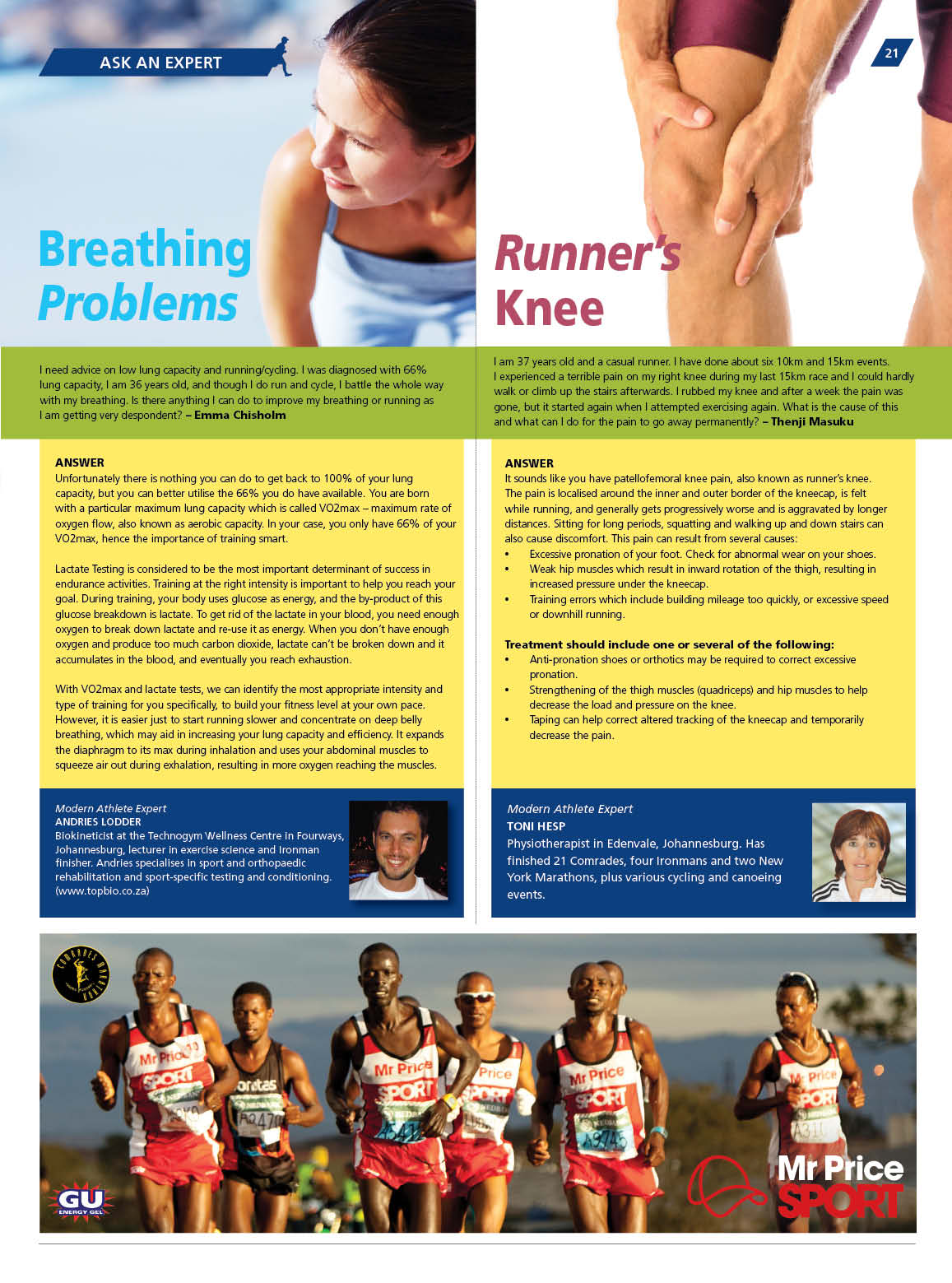
Ask an Expert: Breathing Problems

Posted on August 16th, 2012 by Andries Lodder

Modern Athlete Magazine August 2012 Edition


Question:

“I need advice on low lung capacity and running/cycling. I was diagnosed with 66% lung capacity, I am 36 years old and though I do run and cycle I just battle the whole way with my breathing. Is there anything I can do to improve my breathing or running as I am getting very despondent – I don’t take anything for it as was told nothing would help me? Many Thanks Emma Chisholm”

Answer:

Unfortunately there is nothing you can do to get back to 100% of your lung capacity, but fortunately with specific testing and training you can utilize the 66% you do have available to the best of your ability scientifically.

You are born with a particular maximum lung capacity which is called VO2max. VO2max stands for maximum rate of oxygen flow. VO2max is an important test for evaluating the cardiovascular capacity of an individual and is the maximum capacity to transport and utilize oxygen during training. It is also known as aerobic capacity, which reflects the physical fitness of a person. In your case you only have 66% of your VO2max, hence the importance on training smart.

Another test to consider is Lactate Testing. It is considered to be the single most important determinant of success in endurance related activities. Training at the right intensity is important to help you reach your goal. During training, your body uses glucose as energy. The bi-product of the glucose breakdown is lactate. To get rid of the lactate in your blood, you need enough oxygen (O2) to break down lactate and re-use it as energy. When you don’t have enough O2 and produce too much carbon dioxide (CO2), lactate can’t be broken down and it accumulates in the blood and eventually you reach exhaustion. 

Utilizing the information from the VO2max and lactate tests we can identify the most appropriate training intensity and type of training for you specifically, to build your fitness level on your own pace.

An easier method is just to start running slower and concentrating on your breathing during running. The practice of deep breathing may aid in increasing your lung capacity’s efficiency. Deep belly breathing lowers the diaphragm to expand to its max during inhalation and uses your abdominal muscles to squeeze air out during exhalation, resulting in carrying more O2 to the muscles per breath.

www.modernathlete.co.za


Posted in In Session • Comments Off on Ask an Expert: Breathing Problems

Set your mood like you set your treadmill

Posted on June 14th, 2012 by Andries Lodder

Why do we run? Do we do it to get away from everyday living? Do we do it to lose ourselves in our own little worlds? Or do we run to change our state of mind? This brought us to our question of what is the real reason we run and how does running change our attitude to life?

In our study we found that the main factors effecting and determining our mood, is our pre-exercise mood, our feelings of exertion during exercise, our reasons for running, and the gender role on mood improvements. We also saw that we run because it is fun, enjoyable, and absence of competition is the largest contributors for mood improvements.

Therefore, the next time life gets you down in the dumps, put your running shoes on and get ready for a life changing experience, because all you need to do before you go for a run, is prepare yourself psychologically and have positive expectations. Start running at a very slow pace with moderate exertion. Get in touch with your feminine side by becoming more patient and emotional while running, and before you know it, you’ll have a clearer view of life.

O’Halloran, P. D., Murphy, G. C. & Webster, K. E. (2005). Moderators of mood during a 60-minute treadmill run. International Journal of Sport Psychology, 36, 241-250.

Posted in In Session • Comments Off on Set your mood like you set your treadmill

Proteins, Fats & Exercise: Your thoughts?

Posted on May 17th, 2012 by Andries Lodder

Proteins and Exercise

When athletes do high intensity strength training, then they need extra protein.

True (half true). Strenuous exercise causes low glutamine concentrations, which is important because glutamine comprises 60% of total amino acid (AA) pool. Prolonged strenuous exercise increases protein breakdown and also increases protein synthesis during recovery. Therefore protein stimulates muscle growth and to build muscle, you have to be in a positive (+ ve) nitrogen balance. Due to the high protein intake, extra AA’s are oxidized for energy. To maintain strength, a person only needs 0.9 g/kg/day. For increased strength and lean body mass, they need 1.4 – 1.8 g/kg/day protein. But the average person’s protein intake is approximately 1.5 – 2.0 g/kg/day, which is enough to meet the requirements for most athletes following a balanced diet. This reason why I say only half true. Therefore to improve protein synthesis, the type of protein ingested is just as important as the amount of protein, very important is ingesting the essential AA’s. Amount of intake also very individual specific, doesn’t matter how much protein you take in, if you don’t use all of the protein ingested, the excess will always be converted to glucose and fats.

Endurance athletes do not need more protein than provided in a balanced diet.

True. Only high intensity endurance athletes need extra protein due to increased protein catabolism. The recommended amount of protein intake for high intensity endurance exercise is 1.2 – 1.6 g/kg/day would be sufficient, where as the average person’s protein intake is 1.5 – 2.0 g/kg/day. Therefore protein intake is sufficient, but what would improve effectiveness is following a balanced diet including only the essential AA’s which leads to a doubling of the protein synthesis effectiveness.

A high protein diet is a good way to loose weight.

True. Consuming high amounts of essential proteins will increase the synthesis of protein, when combined with a well balanced lifestyle including daily exercise. Deamination of intracellular AA’s will lead to increased fat synthesis. For individuals with normal renal function, the risks are minimal and must be balanced against the renal and established risk of continued obesity.

To build muscle, CHO and protein must be taken in together during the recovery phase after exercise.

True. During exercise, glycogen depletion takes place and muscle breakdown occurs. Recovery is important for the restoration of muscle and liver glycogen stores, replacement of fluid and electrolytes lost in sweat, and the regeneration, repair and adaptation processes following the catabolic stress and damage caused by the exercise. Supplementation directly after exercise will increase protein synthesis, contribute to a + ve nitrogen balance, increase the fat oxidation rate as well as increase muscle glycogen storage.


Fats and Exercise


Why does regular low-intensity exercise stimulate greater body fat loss than high intensity exercise of equal total caloric expenditure?

Endurance training increases the capacity of the carrier molecule to transport free fatty acids (FFA); therefore the muscles of regular trained individuals can take up more FFA at the same FFA concentration in the plasma. During high intensity exercise and adequate carbohydrate (CHO) reserves, CHO is preferred as fuel source. But at low intensity exercise, FFA supplies up to 80% of total energy required, therefore a higher rate of fat oxidation. High intensity exercise causes increased levels of lactate concentration in the blood, which also contributes to the inhibition of FFA oxidation.

If the average person stores enough energy as body fat to power 120hrs exercise at marathon race pace, why do athletes often experience impaired performance towards the end of a marathon performed under high-intensity, steady-rate aerobic      metabolism?

At low intensity exercise, lipolysis supplies sufficient enough FFA to meet the muscles’ energy supply. During high intensity exercise, lipolysis is markedly suppressed and the FFA oxidation is diminished due to increased concentrations of lactic acid produced. The average person is not as well trained as a marathon runner, and therefore his body will react different to high intensity exercise. Comparing both athletes above mentioned, when running at the same pace, the average person would work at a much higher rate and a have much higher energy expenditure than the trained marathon runner. Therefore at the same pace, the marathon runner would use less oxygen than what the average person would use. Therefore the average persons would have a higher lactic acid concentration in his blood which suppresses FFA usage for energy, and therefore be using more CHO as an energy source. To conclude, by comparison, at the same pace, the average person’s oxygen consumption (%VO2) would be much higher than the trained marathon runner, therefore oxygen demands less contributing to a better running efficiency.

Posted in In Session • Comments Off on Proteins, Fats & Exercise: Your thoughts?

Herniated Disc

Posted on May 16th, 2012 by Andries Lodder


Description

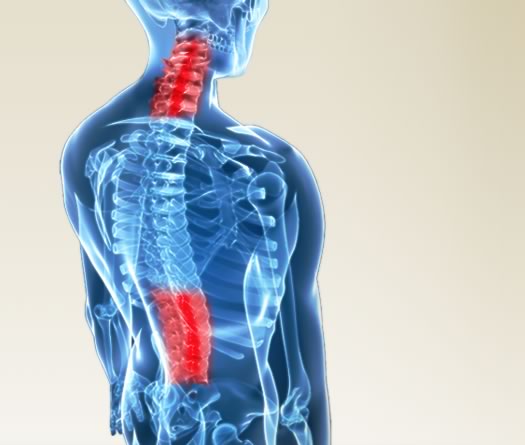
You’ve probably heard people say they have a “slipped” or “ruptured” disk in their neck or lower back. What they’re actually describing is a herniated disk, a common source of neck, or lower back and arm or leg pain.

Disks are soft, rubbery pads found between the hard bones (vertebrae) that make up the spinal column. In the middle of the spinal column is the spinal canal-a hollow space that contains the spinal cord and other nerve roots. The disks between the vertebrae allow the back to flex or bend. Disks also act as shock absorbers.

Disks in the lumbar spine (low back) are composed of a thick outer ring of cartilage (annulus) and an inner gel-like substance (nucleus). In the cervical spine (neck), the disks are similar but smaller in size. A helpful comparison is a jelly donut: its thick outer portion represents the annulus, while the jelly is similar to the nucleus.

A disk herniates or ruptures when part of the center nucleus pushes through the outer edge of the disk. To continue with the donut analogy, the jelly pushes backwards toward the spinal canal. This puts pressure on the nerves. Spinal nerves are very sensitive to even slight amounts of pressure. Pain, numbness or weakness may occur in one or both legs.

Risk Factors

In children and young adults, disks have high water content. As people age, the water content in the disks decreases. They become less flexible. The disks begin to shrink. The spaces between the vertebrae get narrower. The disk itself becomes less flexible. Conditions that can weaken the disk include:

  • Improper lifting
  • Smoking
  • Excessive body weight that places added stress on the disks (in the lower back)
  • Sudden pressure (which may be slight)
  • Repetitive strenuous activities

Symptoms

Lower Back: Low back pain affects four out of five people. Pain alone isn’t enough to recognize a herniated disk. See your doctor if back pain results from a fall or a blow to your back. The most common symptom of a herniated disk is sciatica-a sharp, often shooting pain that extends from the buttocks down the back of one leg. It is caused by pressure on the spinal nerve. Other symptoms include:

  • Weakness in one leg
  • Tingling (a “pins-and-needles” sensation) or numbness in one leg or buttock
  • Loss of bladder or bowel control (If you also have significant weakness in both legs, you could have a serious problem. Seek immediate attention.)
  • A burning pain centered in the neck

Neck: Like pain in the lower back, neck pain is also common. When pressure is placed on a nerve in the neck, it causes pain in the muscles between your neck and shoulder (trapezial muscles). The pain may shoot down the arm. Sometimes the pain causes headaches in the back of the head. Other symptoms include:

  • Weakness in one arm
  • Tingling (a “pins-and-needles” sensation) or numbness in one arm
  • Loss of bladder or bowel control (If you also have significant weakness in both arms or legs, you could have a serious problem. Seek immediate attention.)
  • Burning pain in the shoulders, neck or arm

Treatment Options

Conservative treatment is effective in treating symptoms of herniated disks in more than 90 percent of patients. Most neck or back pain will resolve gradually with simple measures.

If you suffer from the above, don’t delay, go seek advice from a medical practitioner near you!

Posted in In Session • Comments Off on Herniated Disc

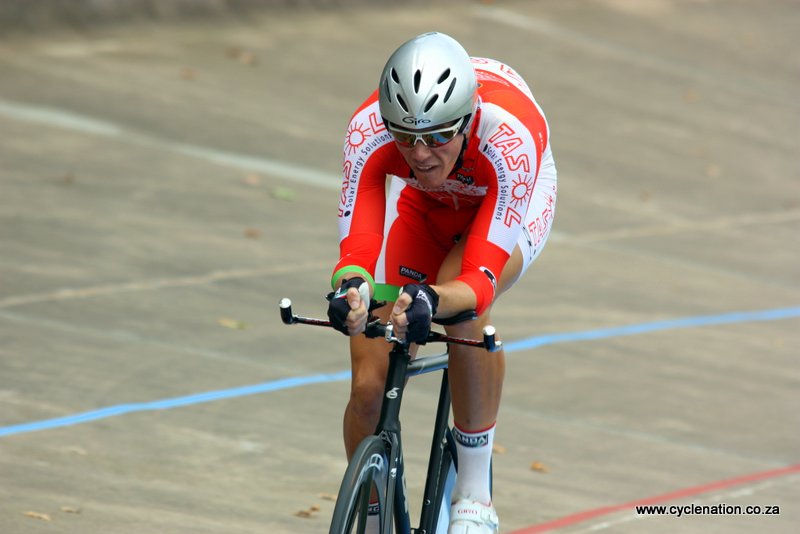
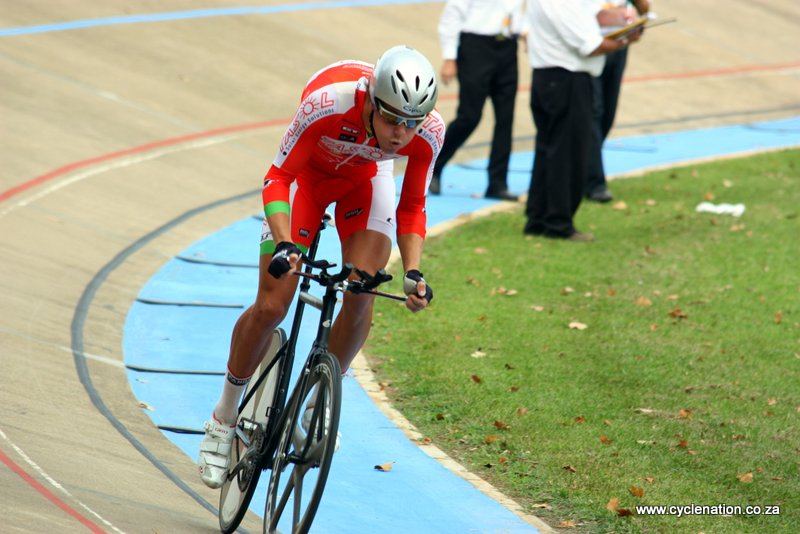
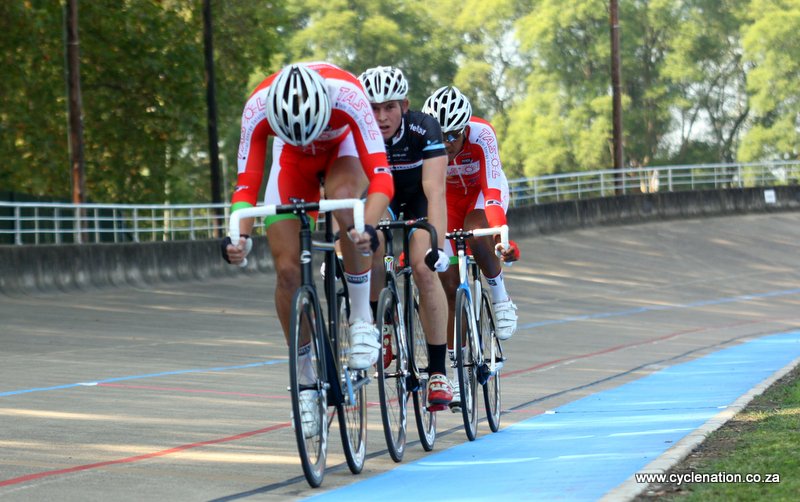
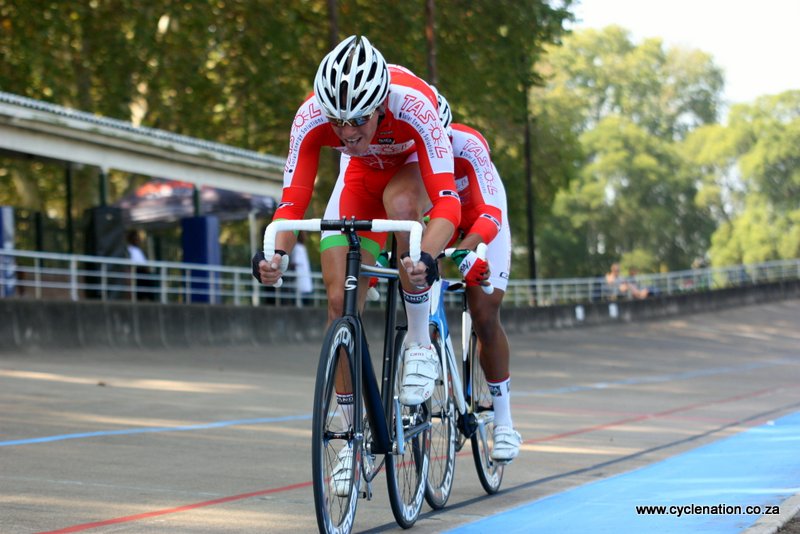
A Bitter Sweet SA Track Champs by Jean Spies

Posted on May 11th, 2012 by Andries Lodder


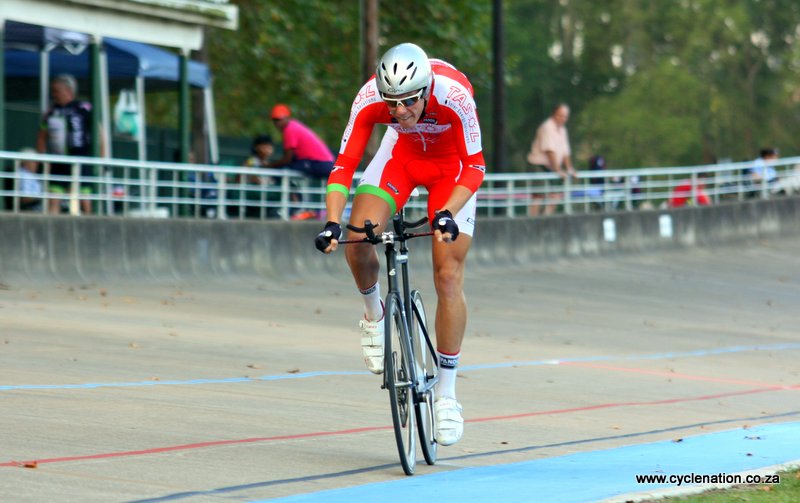
I guess most people in life would not be bitter about a national champs where you dominate. But the question is am I normal? I highly doubt I am.

This is my story about a 5 day “tour” of my national champs as well as tour Durban just put in for good measure.

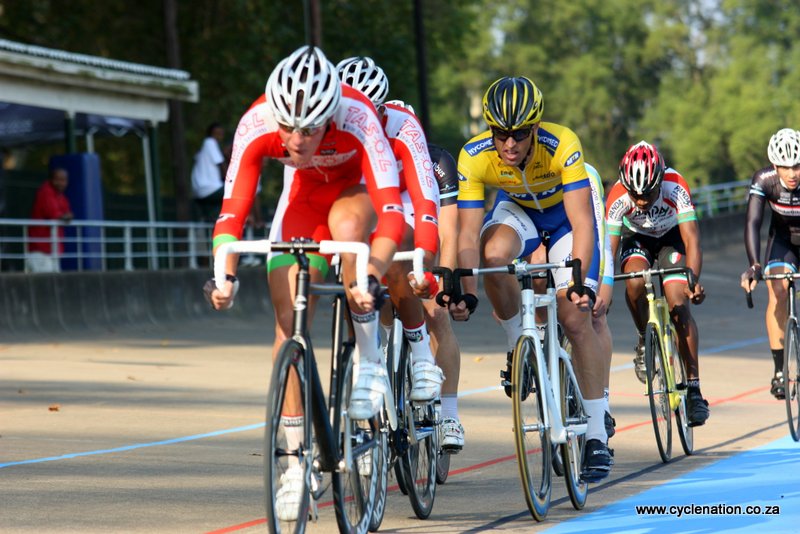
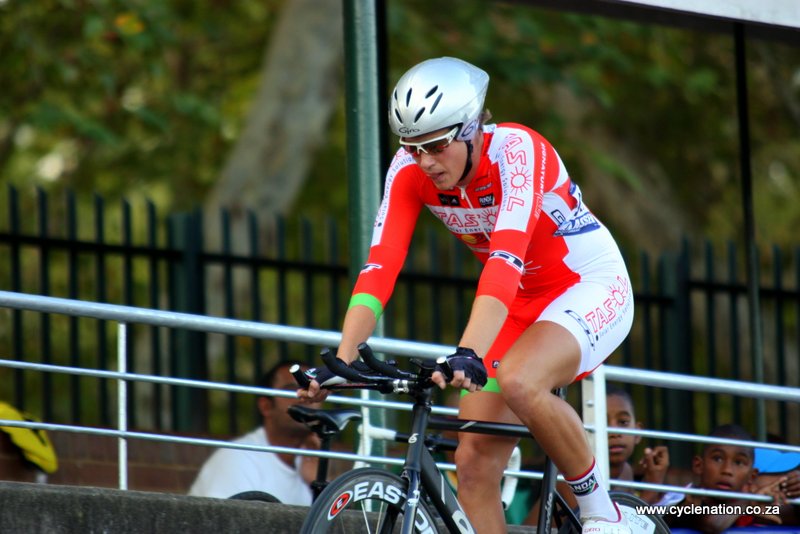
It all started two weeks before the champs with a training camp. This camp was held in Ballito, the main objective for this camp was to prepare the riders doing the team pursuit, get them running as a unit. As for the rest of us we were there to train as a unit to increase the level of fitness and speed before the champs.

The day before SA champs the team drove up to PMB to see, feel and ride the track. On that specific day the track was super fast. The air temperature was good and times were fast.

Day 1

The first day consisted of the first three events of the omnium. The first event up was the 250m flying qualifier in this event I ended up 3rd.

The next event was the 40km point’s race; I managed to get into the decisive move of the race with Nolan Hoffman. The two of us managed to lap the field in the event. I ended up 3rd in the race as the race works on a points system, this put me tie for 2nd place in the overall standings. The final event for the day was the elimination. I did most of the pacing in this event, keeping the speed as high as possible to make the event easer for my team mate Nolan. I ended up 5th. This put me into 4th place over all.

Day2

The final 3 events of the omnium.

First up was the 4000m individual pursuit, I had a good ride but started too hard and this cost me. But I still managed to go under the 5 min mark and get 2nd in the event. This put me into 3rd overall 1 point behind 2nd place so the final 2 events where critical.

But this is where the bitterness comes in….

Next up was the 15km scratch race. The event started off hard, and eventually settled down. I realized it was going to end up in a bunch sprint, 150m from the line my rear wheel pulled skew and my chain came off thus I couldn’t finish the race. And just like that my medal hopes are gone…

The final event was the 1000m TT, I had nothing to lose. I put in a big effort. Managed to ride a PB time of a 1m 8s this put me in 2nd place. So at the end I managed 4th overall. Very disappointed but I guess that’s how the cookie crumbles.

Day 3

Saw the start of the normal events. My first event up was the 4000m individual pursuit qualifying round. I started too hard, and that cost me a lot at the end. Unfortunately or fortunately I qualified 4th this, put me into the ride off for 3rd and 4th place.

In the final I started dead slow, I was crawling for the first 2 laps, slowly increasing the speed. At the end I managed to win the ride off, the bronze, my time in the final was the fastest of the evening. I was happy with this but if I road that time in the qualifier I would have been in the gold medal ride off, so yet again a bitter sweet.

The next event and last one for the day was the 15km scratch race. This race was extremely fast. We had an average speed of 57km/h I raced as aggressively as I could constantly get in the moves. 10 laps to go in to a move, we got quarter of a lap. We held the gap but got caught 2 laps to go. My team mate Nolan won the race. We were happy with the final result.

Day 4

The next morning up early for tour Durban. I ended up on the front of the bunch chasing for 45km, our team won yet again.

That evening it was time for the 40km point’s race. This I knew was going to be fast and hard. I knew my legs where getting lethargic from all the racing so I would not be as fast as needed to contend the sprints so I decided to see if I could get into the break. I tried with everything I had and at every opportunity but to no avail I managed 6th in this event.

This marks a close to another track season for me. I am happy with taking a medal home in an event that I am not known for, but I’m also sad that I did not get better results in the other events, especially the omnium as it is an Olympic event.


Posted in In Session • Comments Off on A Bitter Sweet SA Track Champs by Jean Spies

ABSA Cape Epic 2012

Posted on April 12th, 2012 by Andries

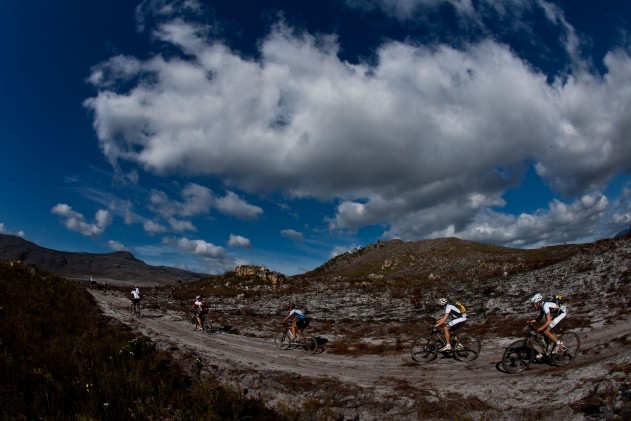
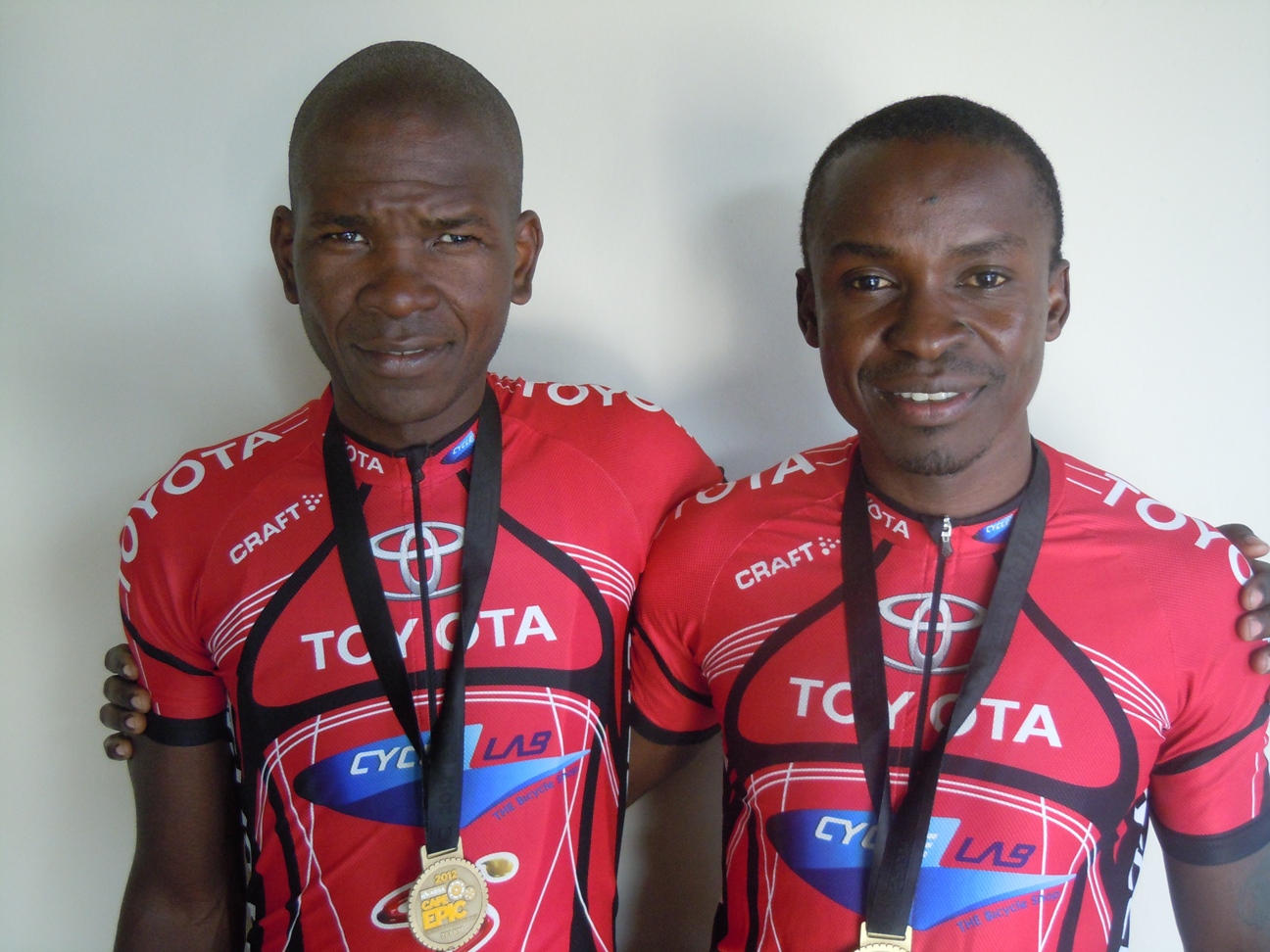
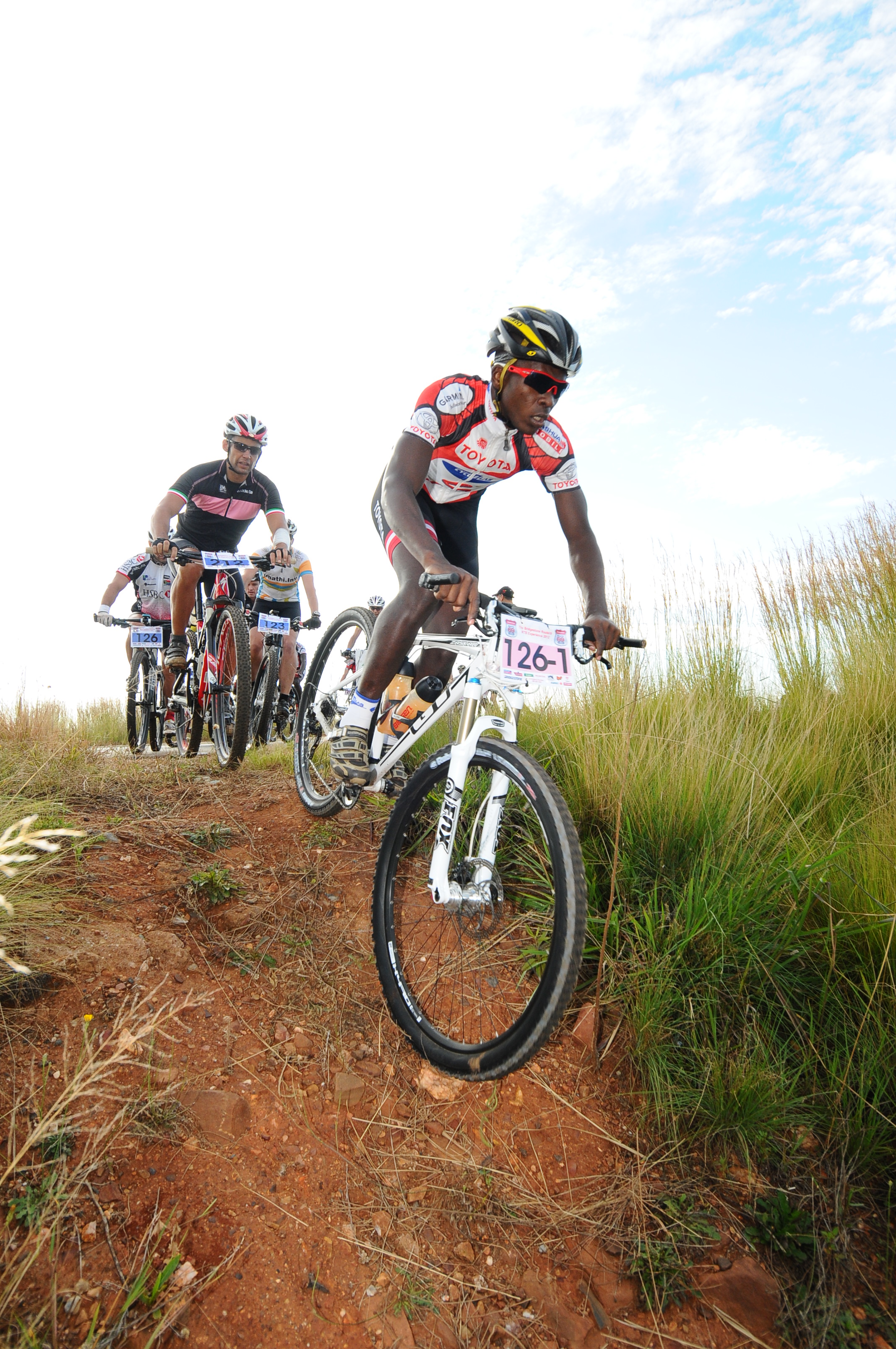
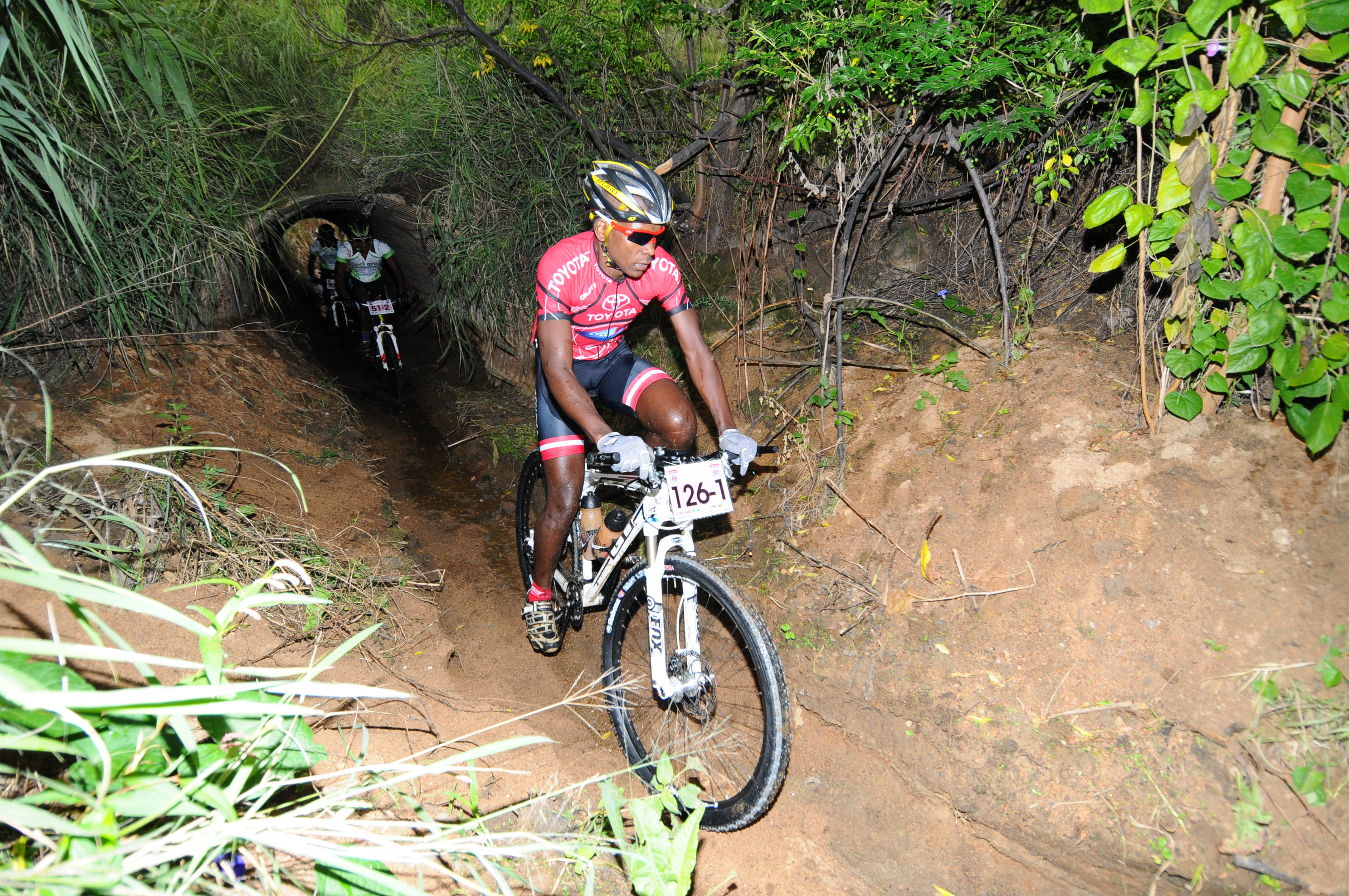
As I said in my April Newsletter that I will be adding some pics of these crazy guys.

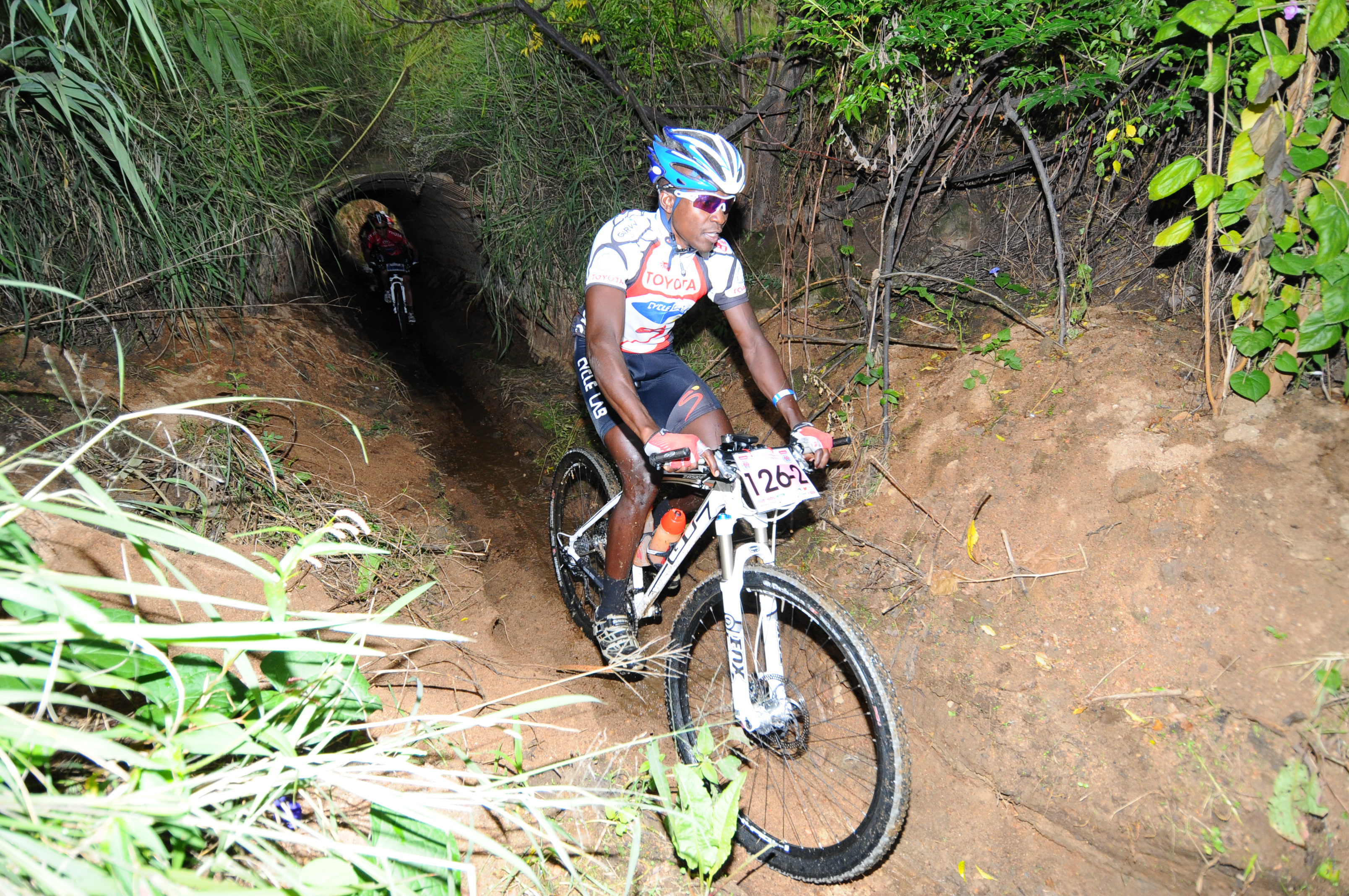
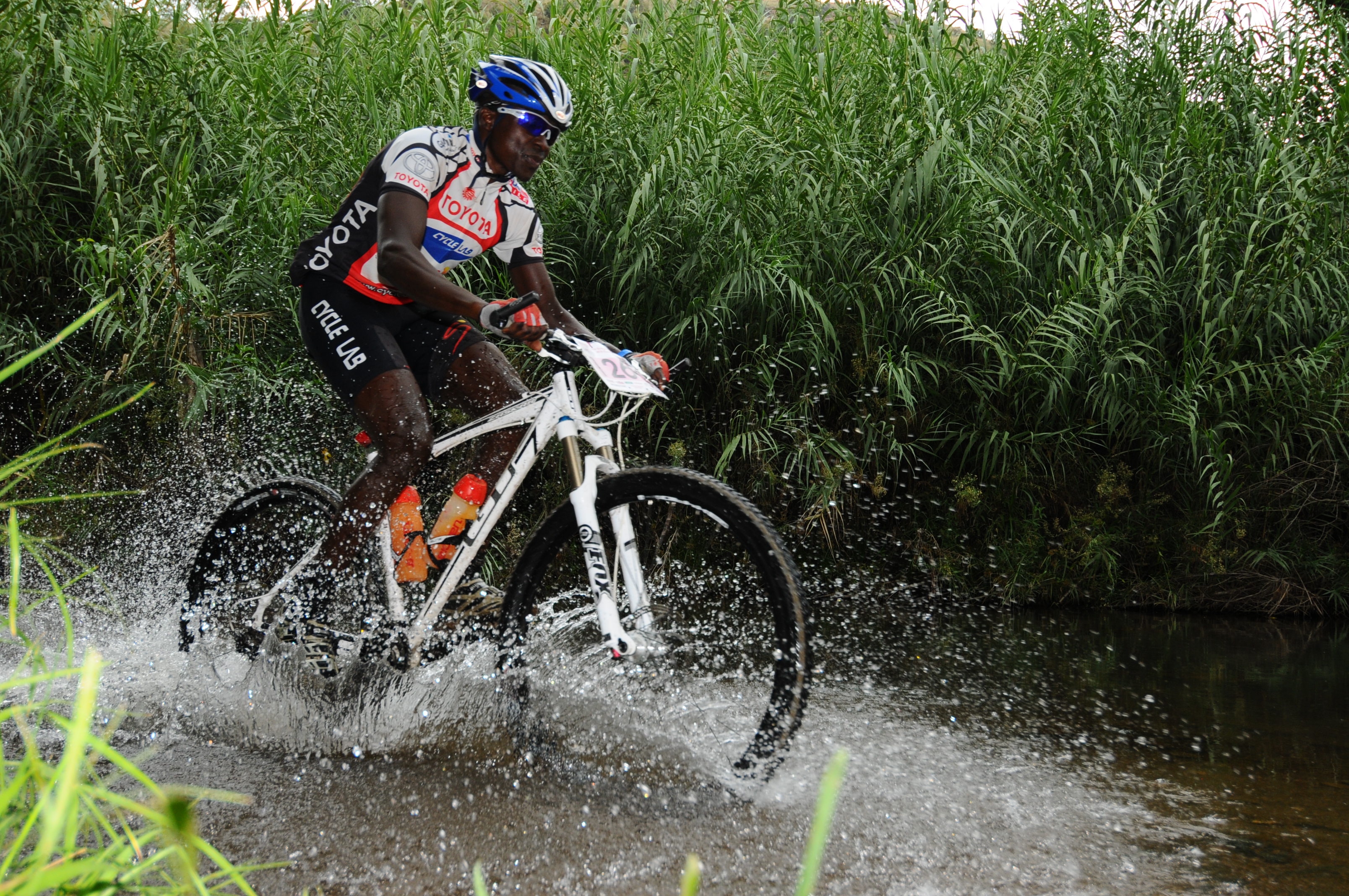
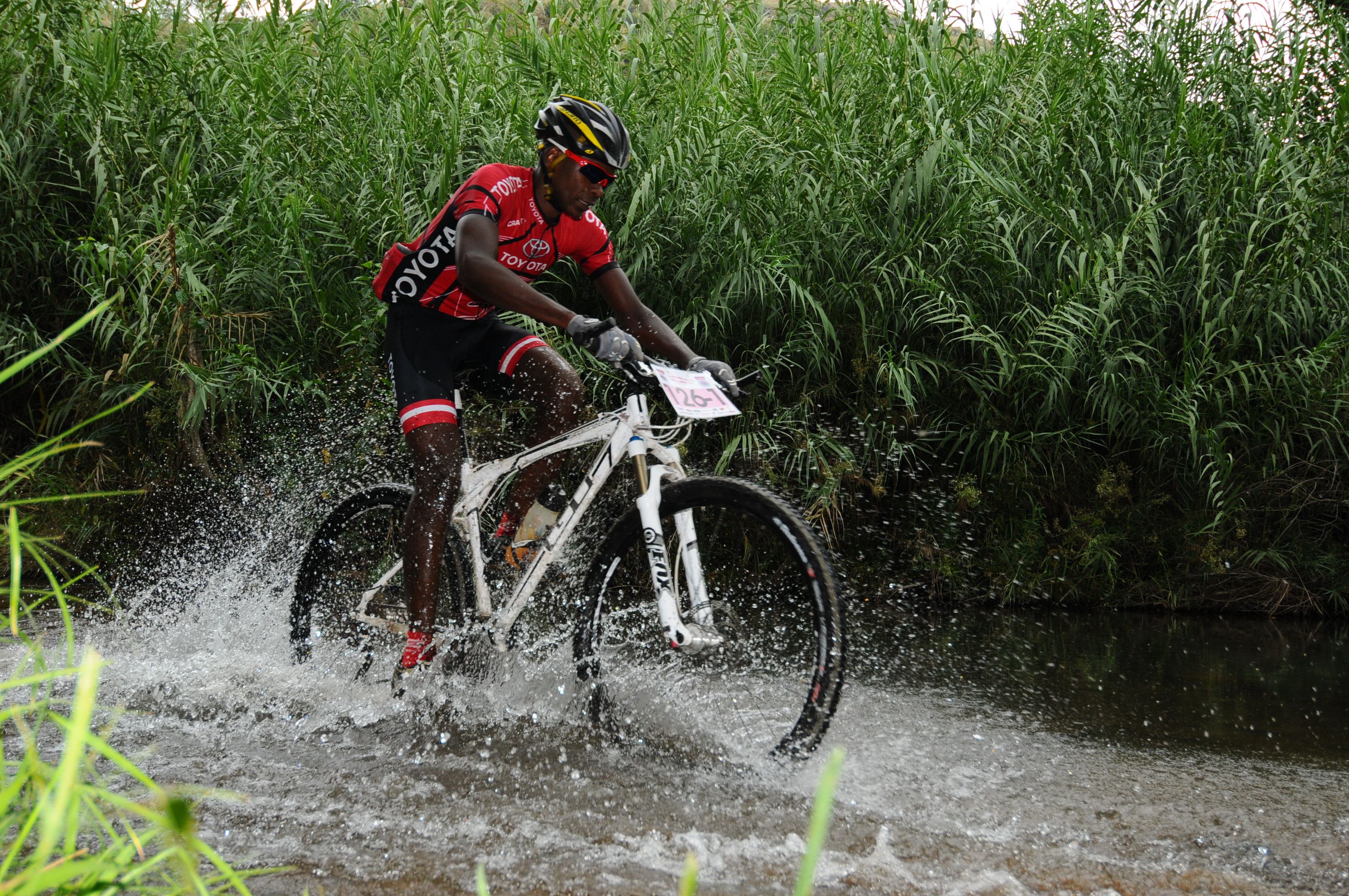
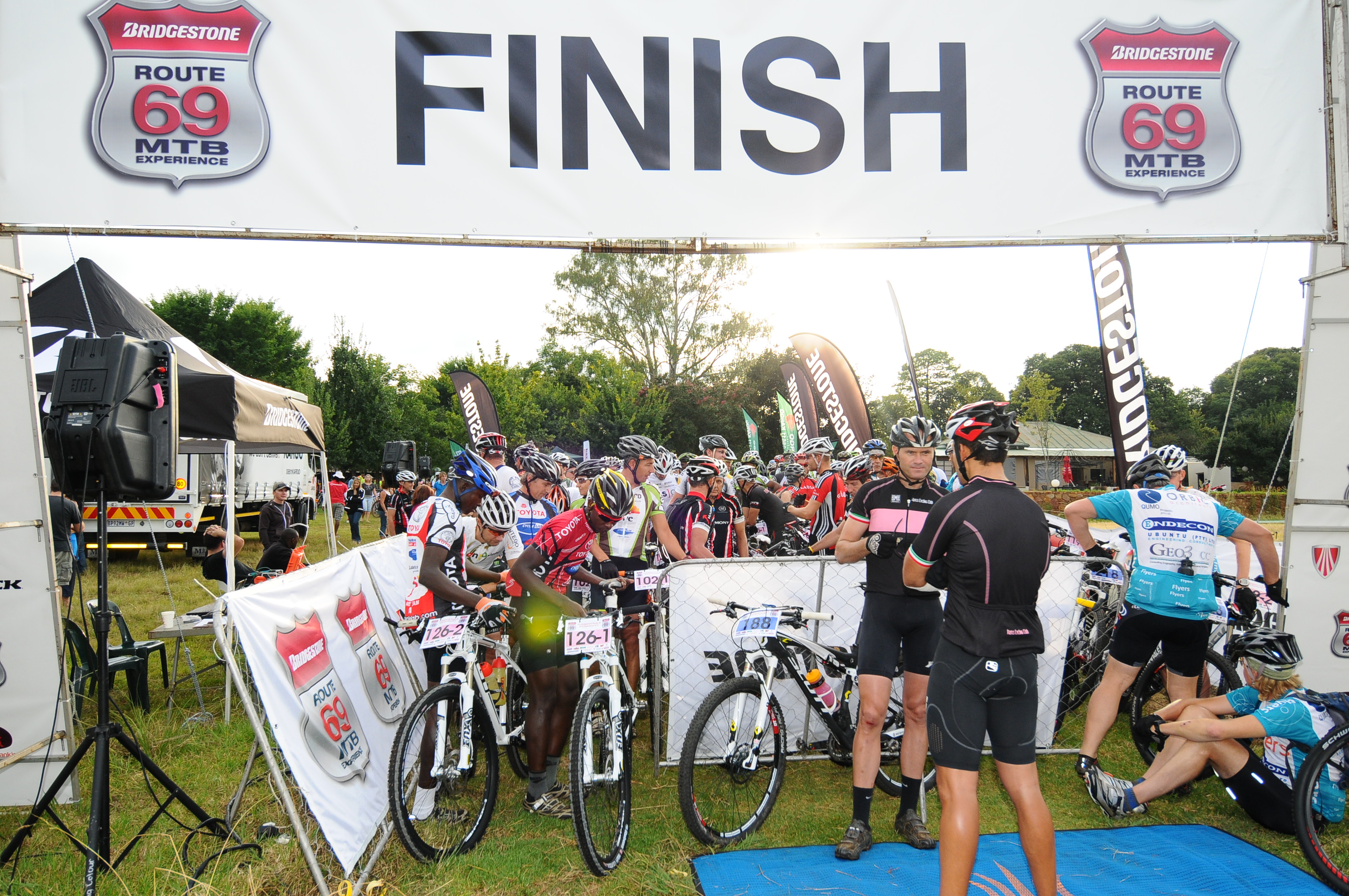
Congratulations Ben and Daniel of team JAG Foundation from CycleLab for coming 57th overall with a time of 41hrs 42min and 13sec. Here are the pics.

Posted in In Session • Comments Off on ABSA Cape Epic 2012

sitemap